Book soon Springs · Toronto
Garage Door Balance Adjustment in Toronto
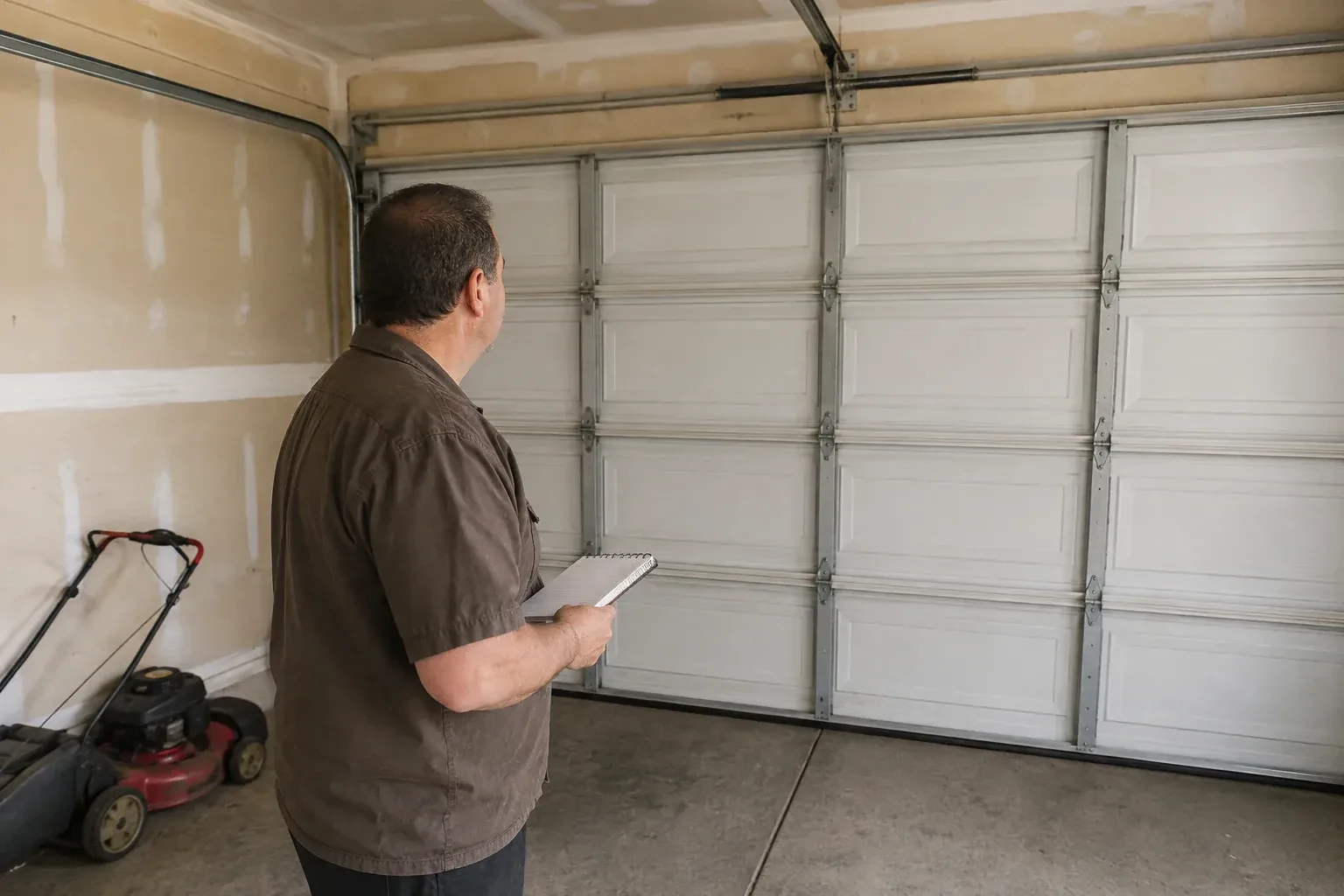
With the door closed, daylight shows under one bottom corner and the seal is squashed flat at the other. As it rises, the left side leads by an inch or two, and the top section twists slightly as it turns into the horizontal track.
Call now · open 24/7(289) 806-4043Right now
Before the door is looked at
Call (289) 806-4043, open 24/7.
When a spring breaks, the safe approach for the household is to leave the door where it is, keep people and vehicles clear, and avoid running the opener, which can damage the top section, the trolley or the gear drive.
In plain words
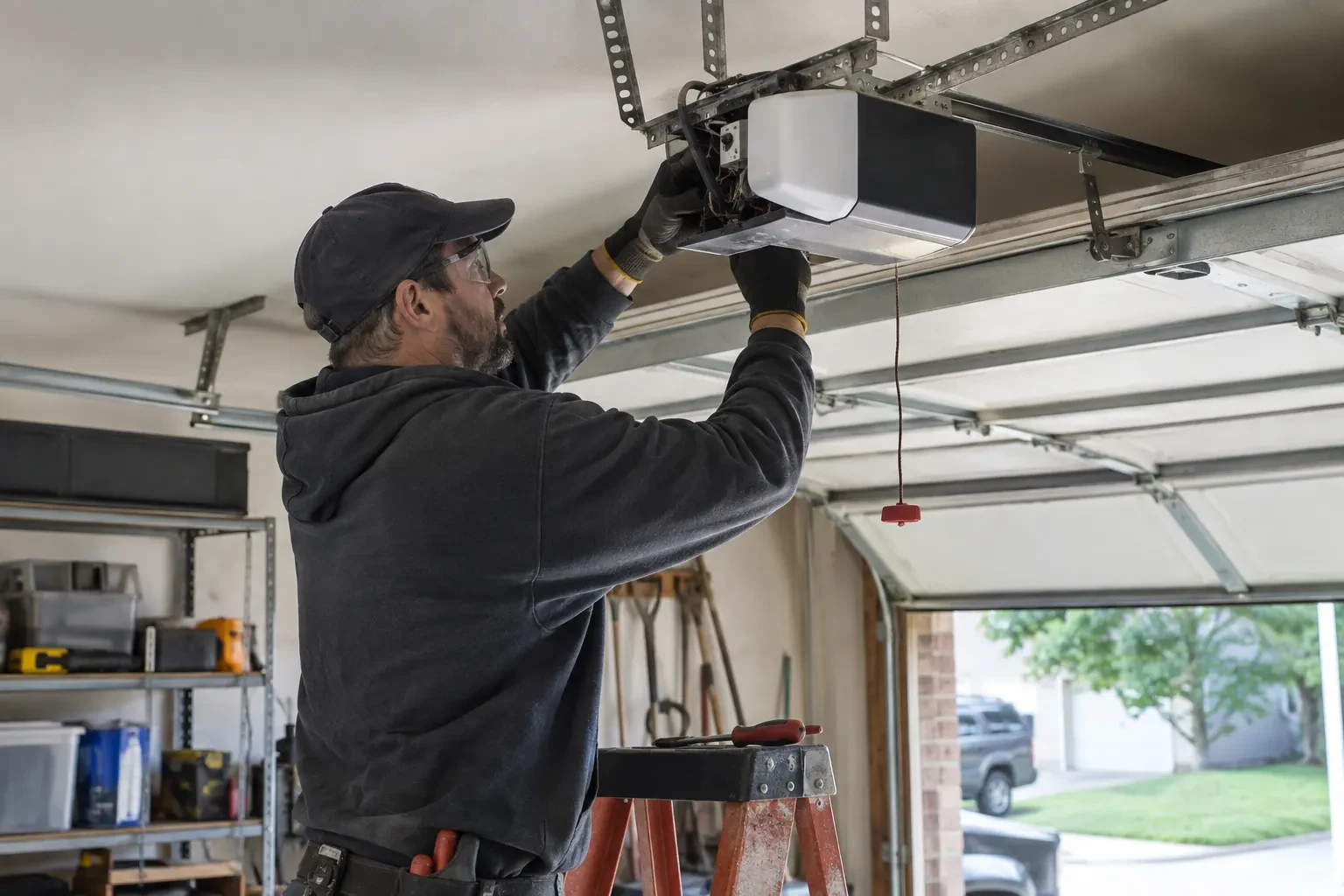
A balance visit follows a settled order. The technician first checks for a broken spring, displaced cable, binding or track damage; once safe to move, the door is run through a powered cycle, then released to repeat the movement by hand, separating the motor from the door. Springs, cables, drums, rollers, hinges and track are inspected before anything changes. Adjustment comes next, in small steps with a test after each one, until the door holds at every height and sits level. Finally the opener is reconnected, its settings reviewed against the newly balanced door, and the reversing safety tests run while you watch.
How the visit goesWith the door closed, daylight shows under one bottom corner and the seal is squashed flat at the other. As it rises, the left side leads by an inch or two, and the top section twists slightly as it turns into the horizontal track.
Garage Door Balance Adjustment · Toronto
How the visit goes
- 1
Extension springs and their containment
On a door with springs along the tracks, the check has a shape of its own. Both springs are compared for length and coil condition with the door closed, since a spring that has stretched further than its partner leaves one side of the door lighter. The pulleys are spun for wear, the cable clips on the track hangers are checked for equal position left and right, and the technician confirms a containment cable runs through the centre of each spring and is anchored at both ends. The bottom brackets and the S-hooks that set the spring tension are inspected for rust and deformation before any adjustment is planned.
- 2
Securing the door before the first turn
Before any tension changes, the door is made immovable. The technician disconnects the opener, clamps a pair of locking pliers on the track just above a roller so the door cannot rise, and clears the area under the shaft. On a torsion system the springs remain wound while the winding bars are used to add or subtract turns, so nothing has to be fully unloaded for a simple adjustment. On an extension system the door is raised fully and clamped there, which relaxes the springs so the hooks and clips can be moved safely. This setup takes a few minutes and is what makes the adjustment itself calm and controlled.
- 3
A door that is nearly weightless again
The difference is obvious the first time you lift the door by hand. It rises with light effort, pauses when you stop it, and stays fully open without drifting down. Closing it, the bottom seal meets the slab evenly along its length instead of thudding at one corner. Under power, the opener runs quieter because it is guiding a balanced door rather than hauling one, and it stops reversing near the floor for no reason. The door also moves at the speed of your hand, neither racing ahead nor dragging, which is exactly what the industry checklist describes as correct operation.
In the van
- Door scale
- Winding cone set screws
- Cable drums
- Winding bars
- Track clamps or locking pliers
What affects the quote
- 1
Cold-weather visits
In a cold snap, a frozen bottom seal or stiff hardware has to be freed and warmed before balance can be judged honestly, and a winter call is quoted with that in mind.
- 2
Lubrication and tune-up
Some people combine the balance adjustment with a full lubrication and hardware tightening. That bundle is priced as a whole and saves a separate maintenance visit.
- 3
Door out of level
A door with one corner high needs its cables reset on the drums before the tension is set, which adds a step to the visit and is listed as its own item.
Same fees day, night or weekend.
Garage Door Balance Adjustment: questions
What is the red cord hanging from the opener for?
It is the manual release. Pulling it disconnects the door from the opener's trolley so the door can be moved by hand, which is how the balance test is done and how you get the car out during a power cut. The industry standard calls for it to be red and reachable, no more than about six feet above the floor. Reconnecting is usually as simple as running the opener once.
Why does the door feel heavier in winter?
Cold stiffens the lubricant in the bearings and hinges and firms up the rubber seals, so the door drags a little more and the springs have slightly more to overcome. A bottom seal frozen to the slab adds to it, and this usually eases as temperatures rise. A door that stays heavy is worth a prompt check regardless of season, since persistent drag can come from binding, an obstructed track, rollers, hinges or cables as well as the spring balance.
Why does my door sink or slam down when released?
Not enough spring tension for the door's weight. Springs lose a little pull as they age through thousands of cycles, and a door gains weight when insulation, windows or a heavier seal are added. Either way the door outweighs its springs. Adding tension in measured quarter turns restores the hold, provided the springs are sound; if they are near the end of their life, new ones are the right answer.
Springs & Hardware
Bigger photo, sooner job: Emergency Book soon Plan ahead
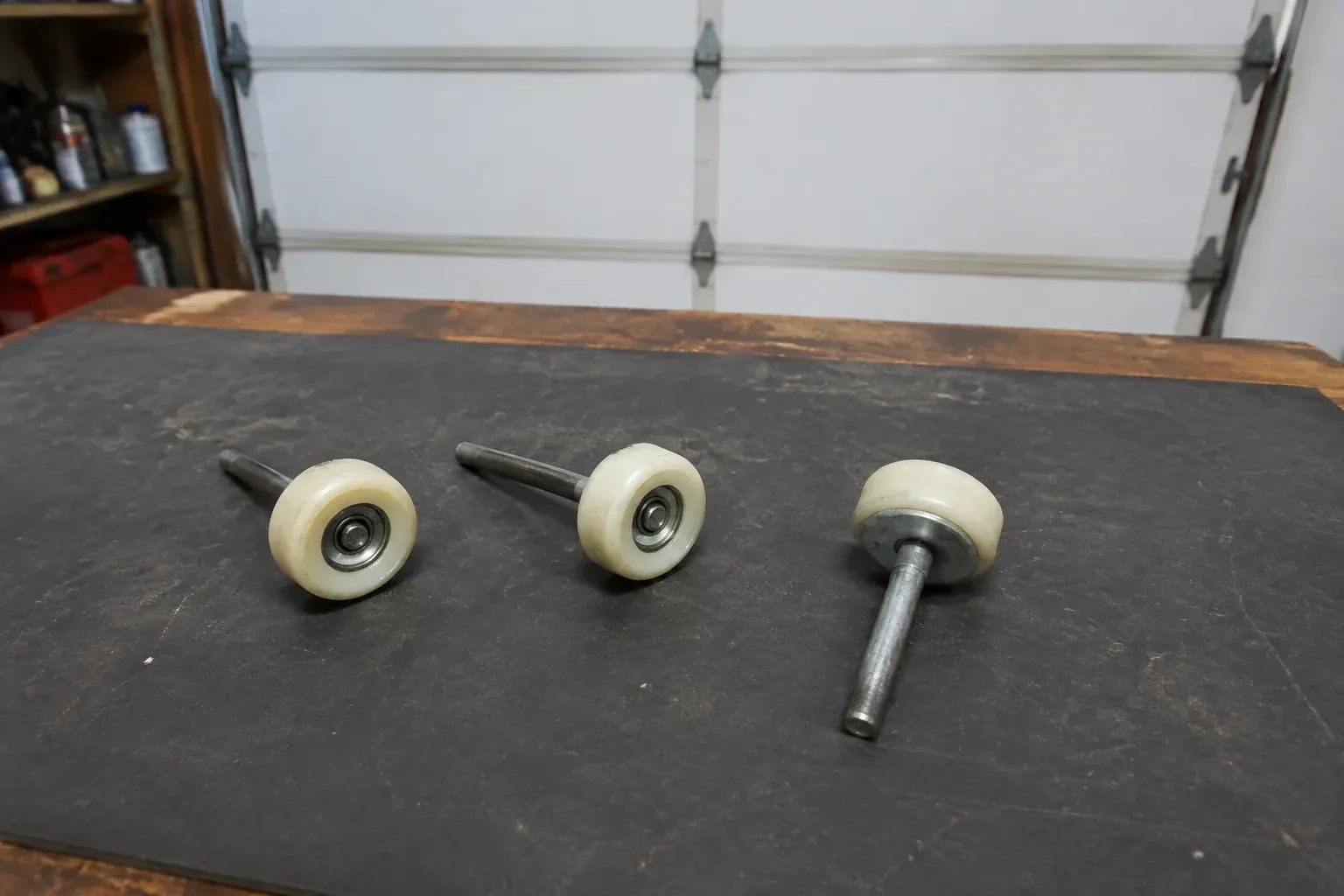 Book soonGarage Door Roller ReplacementOne of the little wheels along the edge of the door has a chunk missing, another sits crooked in its hinge, and there is a fine…
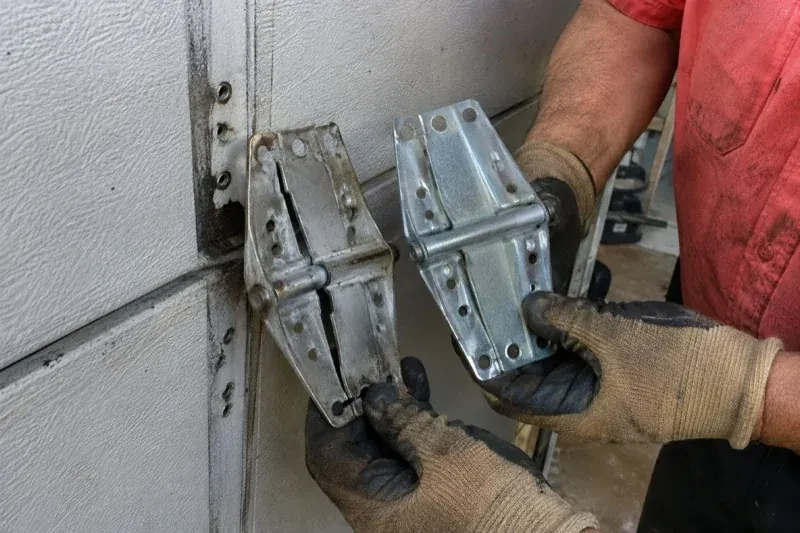 Book soonGarage Door Hinge ReplacementEvery time the door goes up there is a sharp pop from the same spot, about a metre off the floor, and the whole door gives a…
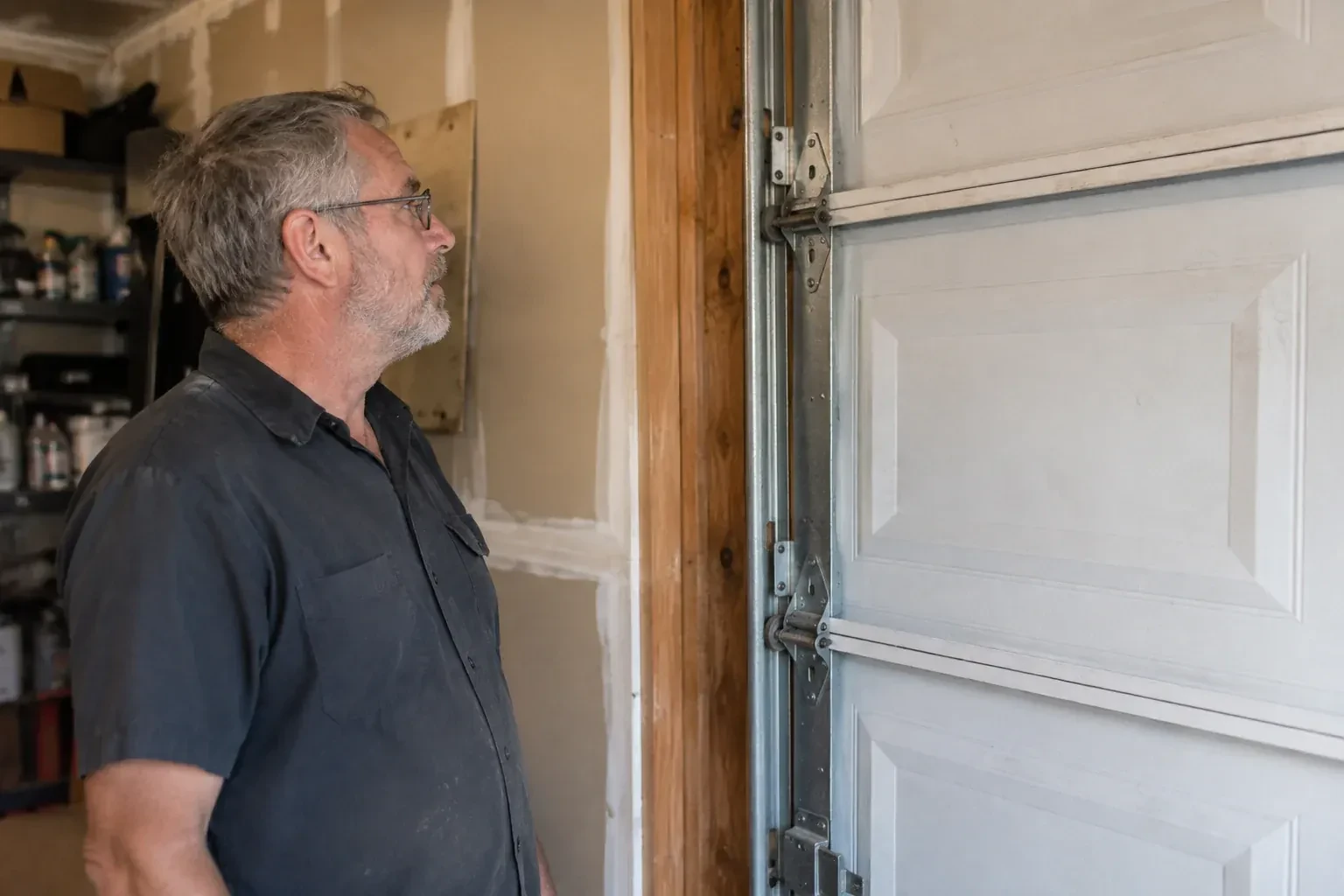 Book soonGarage Door Track Repair or ReplacementThe horizontal rail toward the back of the garage sags noticeably.
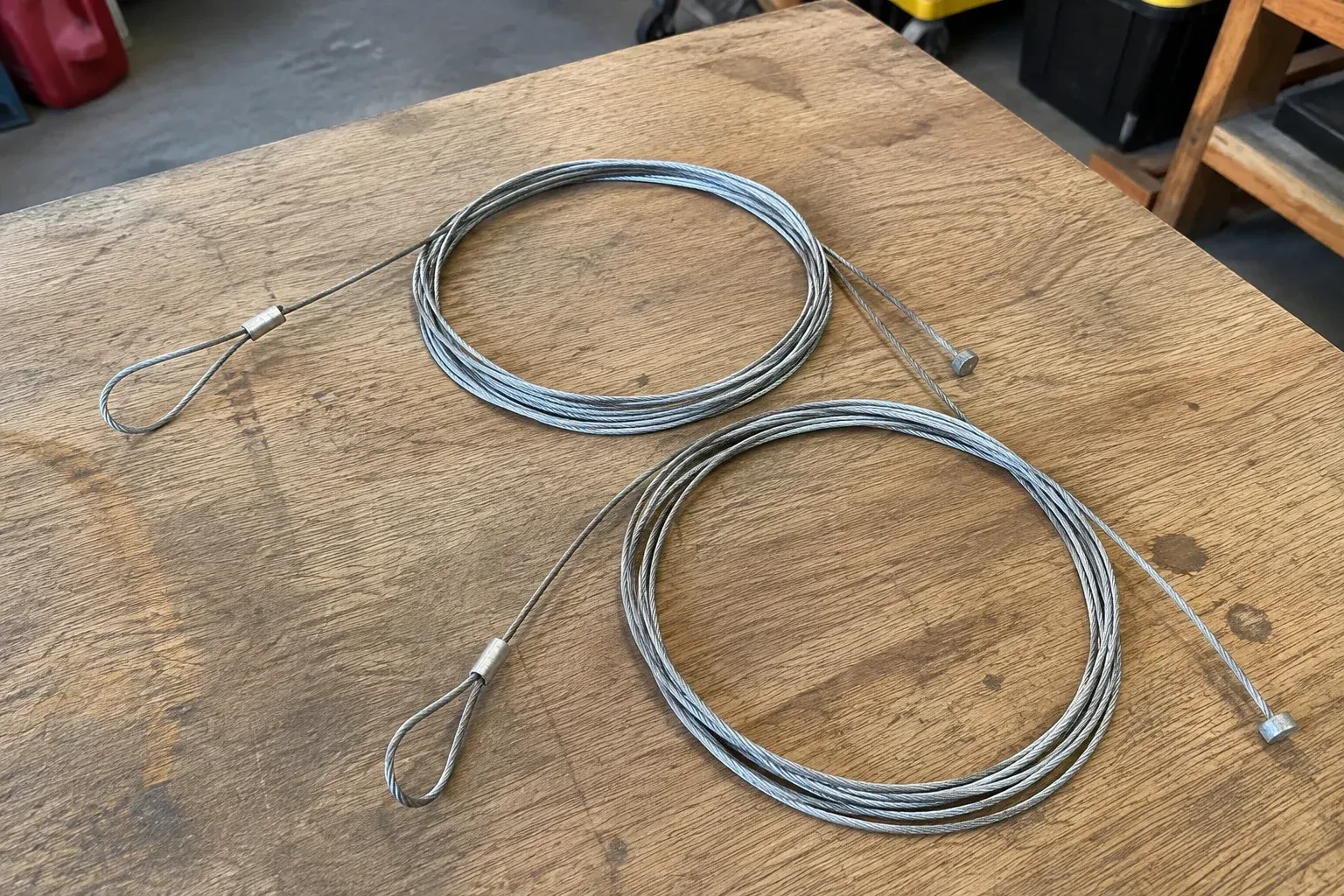 EmergencyGarage Door Cable ReplacementStanding inside with the door closed, you notice the cable on the right side near the floor has gone fuzzy.
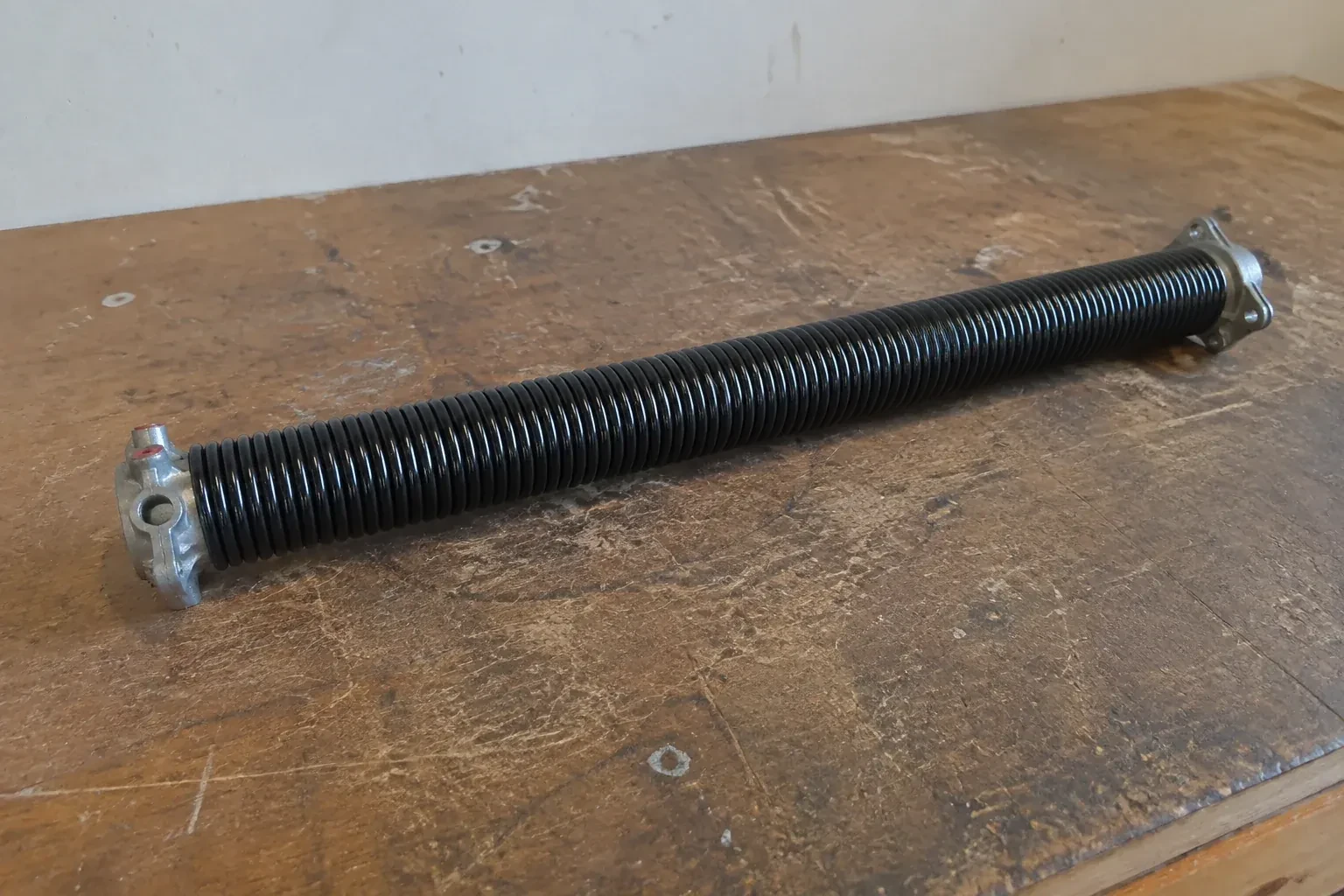 EmergencyTorsion Spring ReplacementAfter pulling the red release cord, you tried lifting the door yourself and it would barely leave the floor.
Garage Door Balance Adjustment near you
Toronto, Ontario
Toronto information
- Town
- Toronto, Ontario
- In business
- 11 years
- Hours
- Open 24/7 · nights, weekends and holidays, same fees
- Phone
- (289) 806-4043
- Visits
- On-site assessment preferred. Request a visit or call.
What the census means at the door
58%
Older homes. About 58% of homes in Toronto were built in 1980 or earlier, according to the 2021 Census.
In a mature neighbourhood the garage door is often the single largest feature of the front elevation, so keeping the original look matters. Modern insulated doors come in raised-panel and carriage styles that echo the older designs while running on today's torsion hardware.
23%
Single-detached houses make up about 23% of homes in Toronto (2021 Census).
Where housing is mostly attached, the common garage entrance may be a rolling grille or heavy sectional door with access by fob or remote, managed by the property. We service these operators, safety edges and photo-eyes, and coordinate with management so residents keep their access throughout.
Open 24/7
Request a visit
With the door closed, daylight shows under one bottom corner and the seal is squashed flat at the other.
Call now · open 24/7(289) 806-4043- On-site assessment preferred
- Same fees day, night or weekend
- 11 years in business